















Your browser is outdated and won't display this website correctly.
Jargon Busting & Frequently Asked Questions

Decoding Acronyms, Industry
Buzzwords and Technical Jargon

Explore FAQs

5and3
a b
What does Cache mean?

In computing, a cache refers to a hardware or software component that stores frequently accessed data or information to expedite subsequent retrieval. The cache acts as a temporary storage area, positioned closer to the CPU or processing unit, for faster access compared to retrieving the data from the original source, such as a hard drive or network.

Caching helps improve system performance by reducing latency and improving response times. When data or content is requested, the cache first checks if it already contains a copy. If the data is present in the cache, it can be retrieved quickly, avoiding the need to fetch it from the original source. This speeds up operations and enhances overall system efficiency.

Caches are used in various computing contexts, including web browsers, operating systems, databases, and CPUs. They help optimise data access, minimise network traffic, and enhance user experience by providing faster and more responsive access to frequently used information.

What is Analytics?

Analytics refers to the systematic analysis and interpretation of data or statistics to gain insights, make informed decisions, and improve performance in various fields, including business, marketing, and technology. It involves collecting, organising, and examining data to identify patterns, trends, correlations, and meaningful information.

In the digital realm, web analytics specifically focuses on analysing data related to website or online platform usage. It involves tracking and measuring various metrics, such as website traffic, user behaviour, conversions, engagement, and other relevant indicators. Web analytics tools provide valuable data and reports that help businesses understand their online audience, assess the effectiveness of marketing campaigns, optimise website performance, and make data-driven decisions to enhance user experience and achieve business goals.

Analytics enables organisations to gain insights into customer preferences, market trends, operational efficiency, and other key areas. By leveraging data analysis techniques and tools, businesses can identify opportunities, identify areas for improvement, optimise strategies, and make data-backed decisions for better outcomes.

Bounce rate refers to a metric used in web analytics that indicates the percentage of visitors who leave a website or webpage without interacting with any other pages or elements within the site. In other words, it measures the rate at which visitors "bounce" away from a website after viewing only a single page.

A high bounce rate typically indicates that visitors did not find the content or experience engaging or relevant enough to explore further. It can suggest issues such as unappealing design, confusing navigation, irrelevant content, slow loading times, or mismatched user expectations.

However, it's important to note that bounce rate should be analysed in context. For certain types of websites, such as blogs or landing pages with specific objectives (e.g., form submissions or phone calls), a high bounce rate may be acceptable if visitors accomplish the desired action on the initial page.

Analysing bounce rate helps website owners and marketers assess the effectiveness of their web pages and make improvements to enhance user engagement and encourage further exploration of their site. Lowering the bounce rate is often a goal to improve overall user experience and increase conversions.

What does HTTP mean?

HTTP stands for Hypertext Transfer Protocol. It is an application protocol that defines how web browsers and servers communicate and exchange information over the internet. HTTP enables the retrieval of resources, such as HTML pages, images, videos, and other content, from web servers and delivers them to users' web browsers.

When a user enters a website URL or clicks on a link, the browser sends an HTTP request to the server hosting the website. The server processes the request and responds with an HTTP response, which includes the requested resource or an error message if the request cannot be fulfilled.

HTTP operates on a client-server model, where the client (web browser) initiates the request, and the server provides the response. It uses various request methods, such as GET, POST, PUT, DELETE, to perform different actions on resources.

HTTP is the foundation of data communication on the World Wide Web and forms the basis for web browsing, content delivery, and interactions between websites and users. It has evolved over time, with the latest version being HTTP/2, designed to improve performance and efficiency in web communication.

What does MITM mean?

MITM stands for Man-in-the-Middle. It refers to a type of cyber attack where an attacker intercepts and potentially alters communication between two parties who believe they are directly communicating with each other. The attacker positions themselves between the two parties and secretly relays messages or information, giving the appearance of a normal conversation while gaining unauthorised access to the transmitted data.

In a MITM attack, the attacker can eavesdrop on the communication, capture sensitive information such as passwords or financial details, modify the content of messages, or even impersonate one or both parties involved. This attack is particularly concerning in situations where sensitive data is being transmitted, such as during online banking transactions or secure communications.

To protect against MITM attacks, various security measures can be implemented, such as using encryption protocols (such as HTTPS), digital certificates, secure communication channels, and being cautious when connecting to public Wi-Fi networks. These measures help ensure the integrity, confidentiality, and authenticity of the communication, making it difficult for attackers to intercept or manipulate the data in transit.

What does UI mean?

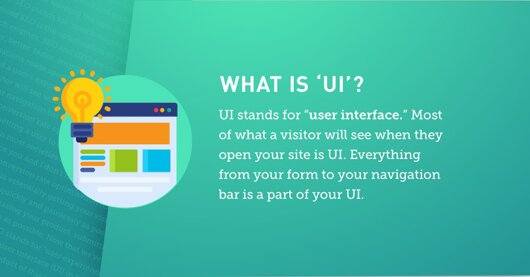
UI stands for User Interface. It refers to the visual and interactive elements of a software application, website, or any digital product that enable users to interact with and navigate through the system. The user interface encompasses the design, layout, and presentation of the interface components, including buttons, menus, forms, icons, and other visual elements.

The primary goal of a well-designed user interface is to provide a user-friendly and intuitive experience for users, allowing them to easily understand and interact with the system. A good UI design takes into consideration factors such as usability, accessibility, responsiveness, and aesthetic appeal.

UI design involves considerations like the arrangement of elements, colour schemes, typography, and the use of interactive elements to guide users through the interface. It focuses on creating a visually pleasing and functional interface that aligns with the overall user experience (UX) goals of the product.

UI designers collaborate with UX designers, developers, and stakeholders to create interfaces that are visually appealing, easy to navigate, and meet the needs and expectations of the target users.

What is SEO?

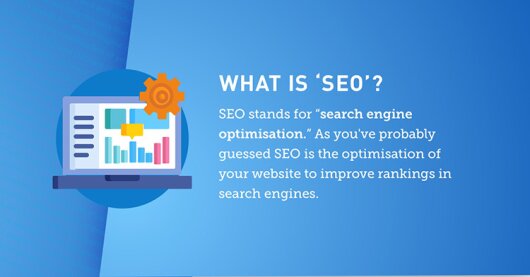
SEO stands for Search Engine Optimisation. It refers to the practice of optimising a website or online content to improve its visibility, ranking, and organic (non-paid) traffic in search engine results pages (SERPs). The objective of SEO is to increase the chances of a website or webpage appearing higher in search engine rankings, thereby attracting more relevant visitors.

SEO involves various strategies and techniques to enhance a website's visibility to search engines and improve its relevance for specific search queries. These strategies include optimising website structure and navigation, creating high-quality and relevant content, conducting keyword research and optimization, improving website speed and mobile-friendliness, acquiring backlinks from reputable sources, and ensuring proper meta tags and descriptions.

The ultimate goal of SEO is to drive organic traffic to a website, increase its online visibility, and improve its chances of being discovered by potential visitors who are actively searching for relevant information, products, or services. By aligning with search engine guidelines and best practices, websites can enhance their visibility, reach a wider audience, and potentially generate more business or conversions.

Unfortunately, the regional awards, both Sussex and Surrey, are no longer running. We have not entered the competition since winning in 2018.

What is a Responsive Website?

A responsive website is designed and developed to adapt and adjust its layout and appearance based on the device and screen size being used to access it. It ensures that the website looks and functions optimally on various devices, such as desktop computers, laptops, tablets, and smartphones.

With a responsive design, the content and elements of the website automatically reflow and adjust to fit the screen size, providing an optimal viewing experience for users. This eliminates the need for separate mobile versions of the website and improves usability across different devices, ultimately enhancing the user experience.

What is a Bug?

In the context of software development, a bug refers to an error, flaw, or defect in a software application that causes it to behave unexpectedly or produce incorrect results. Bugs can occur due to mistakes or oversights in the programming code, design flaws, compatibility issues, or unexpected interactions between different components of the software.

Bugs can manifest in various ways, such as crashes, freezes, incorrect calculations, malfunctioning features, or unexpected behaviour. They can range from minor issues that have minimal impact to critical errors that severely affect the functionality or usability of the software.

When a bug is discovered, it is typically reported to the development team, who then investigate, diagnose, and fix the issue by making necessary code modifications or adjustments. The process of identifying and resolving bugs is known as bug fixing or debugging.

Bug fixing is an essential part of software development to ensure the stability, reliability, and quality of the software. Through rigorous testing, user feedback, and continuous improvement, developers strive to identify and fix bugs to enhance the overall performance and user experience of the software application.

What is an API?

API stands for Application Programming Interface. It is a set of rules and protocols that allows different software applications to communicate and interact with each other. APIs define the methods and data formats that applications can use to request and exchange information. They provide a standardised way for developers to access and utilise the functionality and data of other applications or services without needing to understand the underlying code or implementation details.

APIs are commonly used to integrate different systems, services, or platforms, enabling them to work together seamlessly. They allow developers to retrieve data from external sources, perform actions or operations on remote systems, and share resources between applications. APIs can be found in various contexts, such as web APIs that enable communication between web applications, operating system APIs that provide access to system-level functionality, or social media APIs that allow developers to integrate social media platforms into their applications.

In summary, APIs facilitate the interaction and data exchange between different software applications, enabling them to work together and leverage each other's capabilities.

What does CMS mean?

CMS stands for Content Management System. It is a software application or platform that allows users to create, manage, and modify digital content, such as websites, blogs, or online stores, without requiring advanced technical knowledge. A CMS provides a user-friendly interface and a set of tools that enable users to easily publish, edit, organise, and maintain content on their websites.

It allows content creators to focus on the creation and presentation of content, while handling the underlying technical aspects, such as database management, security, and website structure. Popular CMS platforms include WordPress, Drupal, Joomla, and Shopify, each offering different features and functionalities tailored to specific content management needs.

What does Back-End mean?

Back-end refers to the behind-the-scenes or server-side aspects of a software application or website that are not directly visible to users. It involves the implementation and management of the logic, functionality, and data processing that enable the front-end (user-facing) components to work smoothly.

Back-end development focuses on tasks such as server configuration, database management, server-side programming, API integration, and handling data storage and retrieval. It often involves working with languages and frameworks such as PHP, Python, Ruby, Java, or Node.js to build the server-side components that power the application's functionality.

In summary, the back-end of a software application handles the processing, data management, and server-side functionality required to support the front-end and deliver the desired user experience.

What is CSS?

CSS (Cascading Style Sheets) is a style sheet language used to describe the presentation and visual styling of a document written in HTML or XML. It provides a set of rules and properties that define how elements within a web page should be displayed, such as their layout, colors, fonts, sizes, and other visual attributes.

By separating the content (HTML) from the presentation (CSS), web developers can have better control over the appearance and design of their websites. CSS allows for consistent styling across multiple web pages, easy maintenance and updates, and enables responsive design techniques to ensure adaptability to different screen sizes and devices.

What is HTML?

HTML (Hypertext Markup Language) is the standard markup language used for creating the structure and content of web pages, since its creation in 1993.

HTML provides a set of tags and elements that define the various components and elements within a web page. These elements include headings, paragraphs, images, links, lists, tables, forms, and more.

HTML utilises a hierarchical structure to organise the content and specify how it should be displayed in a web browser. It is the backbone of web development and is typically combined with CSS (Cascading Style Sheets) and JavaScript to create interactive and visually appealing websites.

Read How HTML Has Changed
What does Front-End mean?

Front-end refers to the part of a software application or website that users interact with directly. It encompasses the user interface (UI) and user experience (UX) components that are visible and accessible to users.

Front-end development involves the creation and implementation of these visual and interactive elements, such as designing the layout, selecting color schemes, adding navigation menus, and integrating interactive features.

It typically involves working with technologies like HTML, CSS, and JavaScript to build the client-side of a web application. In summary, front-end refers to the presentation layer of a software application that users directly interact with.

What is a Wireframe?

A wireframe is a visual representation or blueprint of a website or application. It outlines the structure and layout of the interface, focusing on the placement of elements, content, and functionality.

Wireframes are typically created in the early stages of the design process and serve as a guide for designers and stakeholders. They are often simplified and devoid of visual design elements, allowing the focus to be on the overall structure and user experience rather than aesthetics.

Wireframes help in planning and organising the various components of a digital product before moving on to the visual design phase.

What is a Dedicated Server?

When you host your website, it is typically placed on a server that is shared with numerous other websites, possibly thousands. This shared hosting setup can lead to slower website performance and potential security concerns. However, a dedicated server offers a different approach. As the name suggests, a dedicated server is exclusively allocated to your business.

This means you have full control over it, enhanced security measures, faster performance, and dedicated support. Dedicated servers can be located either in the UK or offshore, within large server farms where cooling systems are employed to ensure optimal performance.

What is Web Hosting?

In order for users to access and view your website, it needs to be stored on a server. A server is like a computer that houses all the content and images of your website. It is not stored within Google or any search engine.

Web hosting companies provide developers with a "key" of sorts, which allows them to access the server and make the website available on the internet. This service is called web hosting, and it essentially enables your website to be accessible to users online.

What is a Domain Name?

A domain name is the unique name and address that identifies a website on the internet.

It is closely tied to your brand, and often reflects your brand name. For example, 5and3.co.uk is a domain name. When establishing your brand, it's important to check if the desired domain name is available before finalising your decision.

There is no one-size-fits-all answer to what a good sitewide conversion rate is, as it can vary widely depending on factors such as industry, product type, audience, and traffic source.

However, a good sitewide conversion rate generally falls between 2% and 5%. This means that for every 100 visitors to your website, 2 to 5 of them will convert into paying customers or take the desired action, such as filling out a form, signing up for a newsletter, or downloading a resource.

It's worth noting that conversion rates can also vary depending on the specific page or section of your website, as well as the device used by visitors (e.g., desktop vs. mobile). It's important to track and analyse your website's conversion rates regularly to identify areas for improvement and optimise your website's performance.

Conv. Rate % Worldwide Grade
1% Low
2.35% Average
2% to 5.31% Good
5.31% to 11.45% Very Good
11.45% + Awesome - Top 10% in the world
30% + The best
What is CRO?

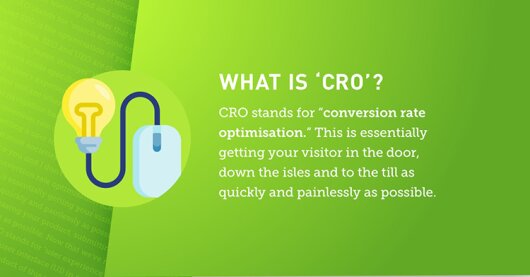
CRO stands for Conversion Rate Optimisation.

CRO is a data driven and scientific approach to design, UX and Copywriting, based upon countless A/B tests and behaviour investigations, across many industries.

Most importantly, CRO is the study of maximising Conversions on your website.

CRO is the most important marketing activity because it makes every visitor exponentially more valuable

–Rand Fishkin

The average Conversion Rate is 2.35%, this means it takes approximately 42 visitors to convert into 1 lead.

Whereas the top 10% converting websites in the world, who enjoy a conversion rate of more than 11.45%, require less than 9 visitors to convert into 1 lead.

All else being equal, increasing your Conversion Rate from 2.35% to 11.45% would result in 4.87 times more leads from the same amount of traffic!

CAC stands for Customer Acquisition Costs.

CAC is a great metric to help track how much you invest into acquiring new customers and calculating the profit of each customer. Not all customers are profitable, are you advertising to the correct audience? CAC helps you gather insights about your customers.

We are experts at making the most of each prospect and reducing your CAC.

Our Achievements and Client Feedback
4.7 / 5 Star Reviews
Discover why businesses love us
Mutiple Digital Awards

5and3 instantly understood our requirements

Can see why they have won numerous awards

The 5and3 team have recently undertaken a full rebrand and website build. The branding included all stationery, marketing collateral and also specialist wallpaper, window art and pictures for our new...

—Joe Arnold, Arnold & Baldwin Surveyors

Impressed by their enthusiasm

In 12 months we doubled our instructions

Data updated daily Automating

We've Driven Over
241,041 Leads
for Our Latest Clients.

Each business averaging 71.23 leads per day, with an average sitewide conversion rate of 18.61%. Leads range from at least £220 up to and beyond £1,000.

On average, that's a client lead every 11 minutes.

Client Revenue Generated
£17,318,531+ £17.32M
in the last 7.9 years.
Our Data: Sources and methodolgy

The data presented here represents just 3 client projects out of 50+, highlighting the potential impact when measuring our entire portfolio.

Lead calculations are based on conservative daily averages from each project's lifespan, ensuring accuracy and possibly underestimating the actual number of leads generated.

Revenue is an underestimate and is much more than stated!

Since 2018, we've tracked conversion data for significant projects using Google Analytics and the client's website. With the introduction of 5and3 Analytics in 2022, we can now accurately track key events for specific clients, providing GDPR-compliant data as part of our tailored website package.

Get Your Free Consultation

Claim Your Free Discovery Meeting

  • Free consultation
  • No obligation
  • Explore working together
Verify your email below to schedule your free, no-obligation consultation.
Let's explore how we can work together.

Step 1
Verify Email

5and3
Integrated
communication
solutions
Your Digital Business Partner
To empower and grow your business

Address

  • 5and3: Integrated communication solutions
  • Unit 16
  • The Birches Industrial Estate
  • East Grinstead
  • West Sussex
  • United Kingdom
  • RH19 1XZ
Digital Marketing & Software Development Agency
Digital Marketing | Software Development | Data Engineering